

 Call us870-805-6039
Call us870-805-6039
Call us870-805-6039

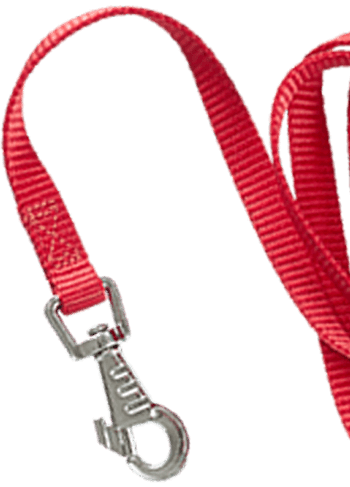


Service dogs aren’t just companions—they’re trained partners who help their handlers navigate the world safely and confidently. Yet despite clear laws, confusion remains about where these dogs are allowed and under what conditions they may be asked to leave.
At Snowy Pines, we’ve raised countless calm, intelligent English Cream Golden Retrievers and White Labs who’ve gone on to serve individuals across the country. Understanding public access rights not only protects those who rely on their dogs but also helps educate the communities they live and work in.
Below, we’ll outline where service dogs are welcome, the rare cases they can be limited, and how both handlers and business owners can ensure smooth, respectful experiences.
Under the Americans with Disabilities Act (ADA), service dogs are allowed anywhere the general public is permitted. This includes restaurants, hotels, grocery stores, taxis, public transportation, schools, medical offices, theaters, and more. In short—if the public can go there, a service dog can too.
The ADA defines a service dog as one that is individually trained to perform specific tasks related to a person’s disability. These tasks can range from guiding individuals who are blind to detecting seizures, stabilizing balance, or alerting to low blood sugar.
Certain facilities that restrict public access—like hospital operating rooms, commercial kitchens, or sterile labs—may legally exclude dogs to maintain health standards. However, these are rare exceptions. A restaurant, for example, cannot deny entry because of food safety laws, as service dogs are specifically exempt from “no animals” policies in customer areas.
Outside public spaces, service dogs are also protected under additional laws:
If it’s not obvious that the dog is a service animal, staff may only ask:
They cannot ask for documentation, require a special ID or vest, or demand that the dog demonstrate its task.
Businesses may not charge pet fees, require deposits, or limit where service dogs can sit or walk. Handlers cannot be forced to use separate entrances or seating areas. Allergies or fear of dogs are not valid reasons to deny access.
Handlers must keep their dog under control at all times—typically using a leash, harness, or tether. If that interferes with the dog’s trained tasks, the handler must maintain effective voice or signal control. Dogs should remain well-groomed, housebroken, and unobtrusive in public.
If a service dog behaves in a way that disrupts normal business—such as growling, lunging, barking repeatedly, or relieving itself indoors—the handler can be asked to remove the dog. However, the handler must still be allowed to remain and complete their business without the animal.
A dog may be excluded only if its presence poses a legitimate safety risk. For example, a service dog that blocks emergency exits, jumps on other customers, or cannot be controlled in tight spaces could be lawfully asked to leave. General assumptions or discomfort do not qualify as safety concerns.
Some states, including Arkansas, have laws making it illegal to misrepresent a pet as a service dog. These false claims not only undermine legitimate teams but can lead to fines or penalties. Reputable programs like Snowy Pines emphasize proper training, documentation, and handler education to maintain public trust in service animals.
Service dogs are life-changing partners who deserve respect and understanding in every public space. Knowing the law helps handlers advocate for themselves and educates the public on how to interact respectfully.
At Snowy Pines, our English Cream Golden Retrievers and White Labs are raised with the calm confidence and trainability that make them ideal for this work—balancing gentle temperaments with a strong sense of purpose. Whether your dog is destined for service or simply by your side, understanding these rights helps ensure that every team is welcomed, respected, and empowered.
Are you thinking about getting a White Lab puppy or and English Cream Golden Retriever? Come visit Snowy Pines White Labs at our Ozark home or view our puppy live stream to see healthy dogs in action.
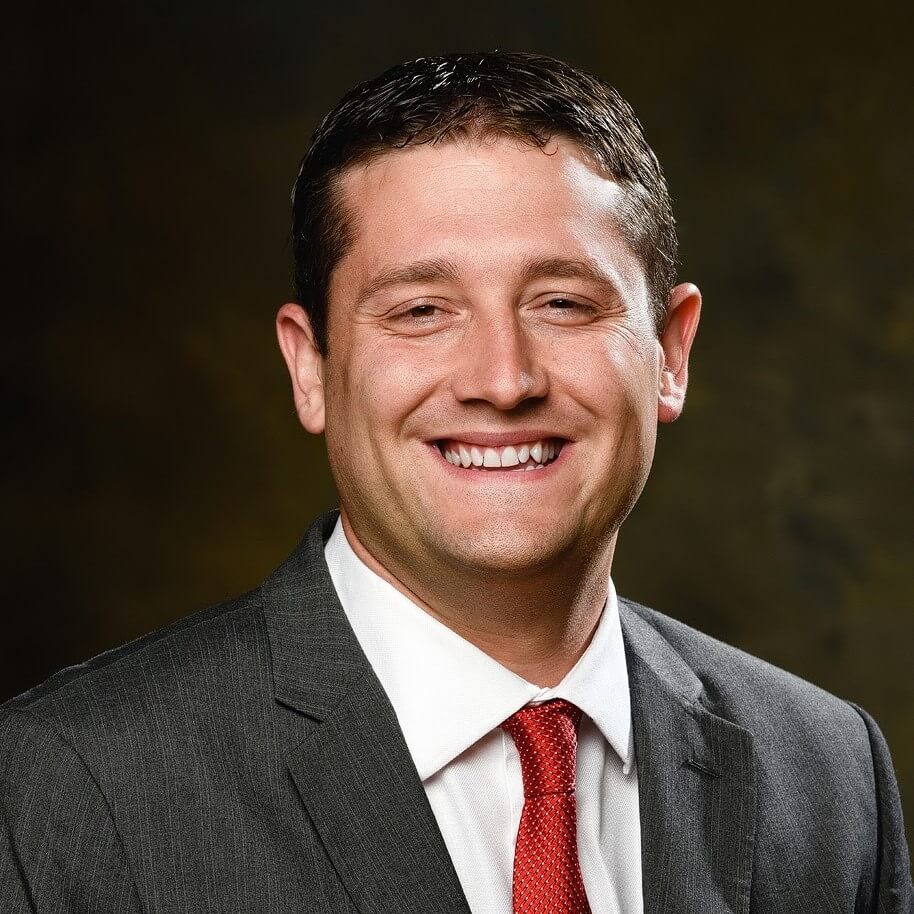
Tom Massey has owned and operated Snowy Pines White Labs for 15 years, breeding and training White English Labradors and English Cream Golden Retrievers on 120 acres in the Ozarks. His team has placed dogs with families across the U.S. and in Europe, with health testing, training documentation, and outcomes published across this site.