
 Call us870-805-6039
Call us870-805-6039
Call us870-805-6039
Welcome to Snowy Pines Service Dogs, where excellence and a holistic approach meet to provide outstanding service dogs tailored to specific lifestyles. At Snowy Pine’s, we understand that the bond between a service dog and their handler goes beyond mere assistance; it encompasses trust, companionship, and the empowerment to live life to the fullest.
What sets our service dogs apart is our unwavering commitment to a holistic approach. We believe that true support extends beyond a single skill or task. We developed (and follow) the methodology of “a better mind, a better body, a better dog makes a better you!”! That is why you will see our program focused around mind, body, and dog. Whether it’s physical assistance, emotional support, or aiding with daily activities, our versatile service dogs are here to provide a comprehensive range of services.
We also know a service must go beyond just “mind” or “body” in order to provide an overall better quality of life. That is why we layer in our lifestyle programs based on the individual needs of each owner. These lifestyle pathways teach the dog to improve your mental and physical health no matter the specific tasks that we are training for. These lifestyle pathways include a variety of seasons of life ranging from aging adults, pregnancy, family with children to swimming, cycling, and many more. The full list can be seen in the lifestyle section below. This holistic approach is revolutionary and allows us to produce some of the most thoroughly trained service dogs in the world today. We recognize that every individual and their needs are unique. That’s why our training programs are specifically designed to cater to different lifestyles. Whether you’re an active adventurer, a busy professional, or seeking a calming presence for therapeutic purposes, we take the time to understand your requirements and match you with a service dog trained to complement your specific lifestyle.
Our lifestyle-specific training focuses on building a strong foundation of skills and behaviors while incorporating specialized tasks that align with your day-to-day routines. From assisting with mobility challenges to providing comfort in emotional situations, our white labs and english cream golden retrievers seamlessly integrate into your lifestyle, empowering you to navigate the world with confidence and independence.
Snowy Pines Service Dogs prides itself on the exceptional quality of our dogs and the lasting impact they make on the lives of their handlers. With our commitment to a holistic approach and lifestyle-specific training, we strive to deliver service dogs that create a Better Mind, Better Body, Better Dog, and in turn create a Better You.
Discover the remarkable difference that a Snowy Pine’s service dog can make in your life. Contact us today and embark on a journey towards newfound freedom, support, and an unbreakable bond with your perfect companion.”





Trained for pet friendly outings, our specially trained service dogs provide companionship, support, and assistance tailored to your specific needs within the comfort of your own home. This new holistic approach between you and your companion will help enhance independence and well-being for you both.
We take pride in our innovative approach of “layering in your lifestyle”, and we believe this approach sets us apart from individuals seeking a service dog. By seamlessly integrating our training methods into your specific lifestyle, whether it’s a busy family, outdoor adventures, or a multi-pet home, we ensure that your service dog becomes an integral part of your everyday routines and activities. This unique approach not only maximizes the effectiveness of the training but also enhances the bond and compatibility between you and your service dog, creating a harmonious partnership that truly fits your lifestyle like no other.
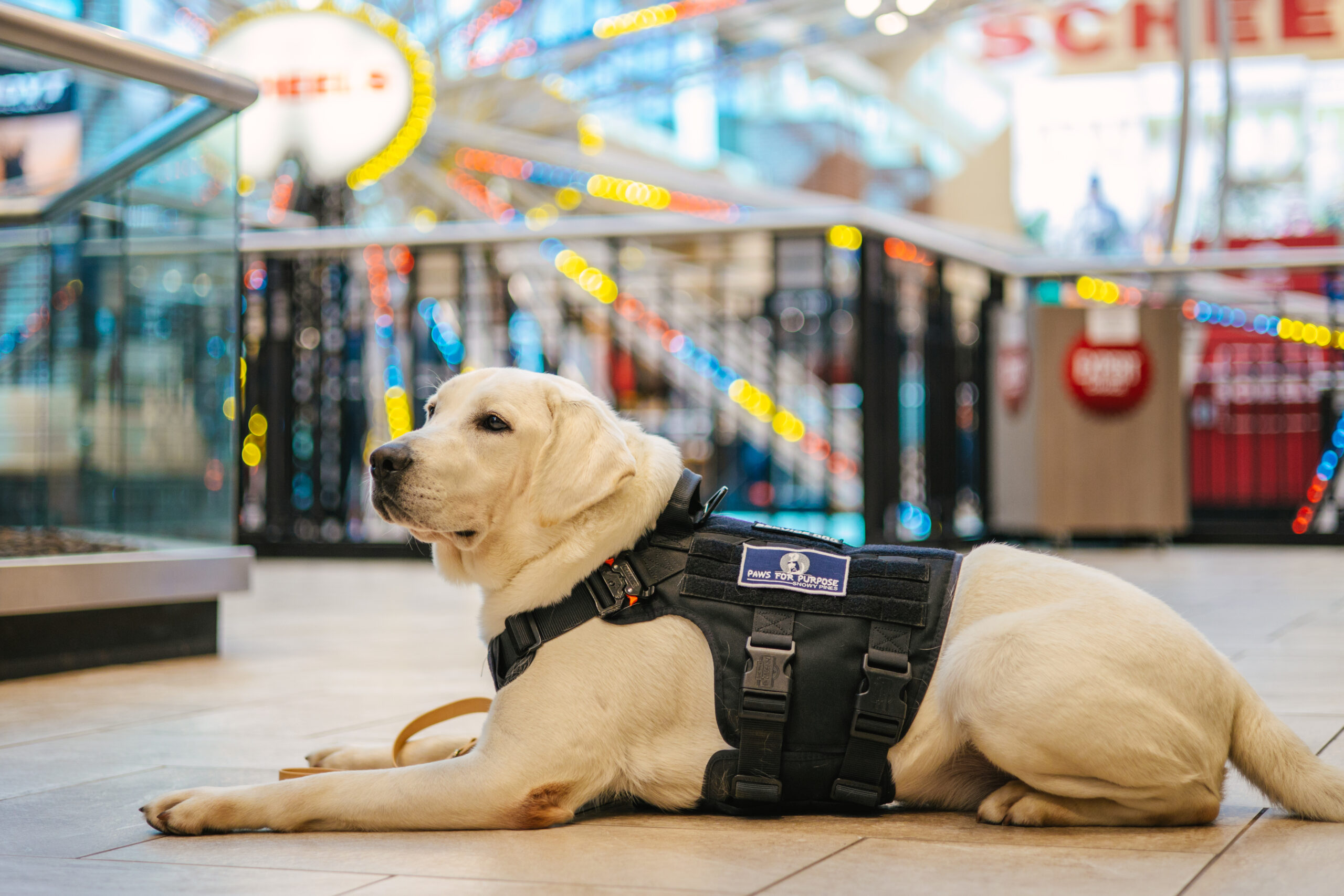
Our white golden retrievers and labrador puppies are trained in our proprietary Snowy Pines University Service Dog Program developed here at Snowy Pines Labradors. Our program focuses on providing a “better mind” for individuals seeking mental health support. Through rigorous training and a deep understanding of each client’s needs, our dogs are trained to recognize and respond to specific behavioral and emotional cues. Offering invaluable support for conditions such as anxiety, depression, and post-traumatic stress disorder.
While our programs focus on mental health needs, we layer this with specific physical and lifestyle pathways in order to improve the overall quality of life with our service dogs. Our mental health programs include: Autism, PTSD, Anxiety, Depression, ADHD, Addictions, and OCD. These service dog programs vary in duration. Once they start training, programs last 6 to 12 months. Since we raise and house all our puppies here, we are typically able to produce proven service dogs at a much younger age than other programs. All our dogs will go through the Snowy Pines PHD program before entering service dog training. This means there are literally thousands of hours spent with each dog to acclimate them to the task and lifestyle pathways that our clients need.
Start with a BETTER MIND, follow through with a BETTER BODY, pick a BETTER DOG and the result will be a BETTER YOU!!
Service dogs come in various types, each specializing in a unique area to meet the specific needs of individuals. These exceptional canines undergo extensive training to assist with a range of disabilities, medical conditions, and tasks.
In our service dog training program, we prioritize the seamless integration of training into your specific lifestyle. Whether you have a busy family dynamic, enjoy hiking adventures, or share your home with multiple pets, our training methods are carefully tailored to accommodate and enhance your unique circumstances and needs.
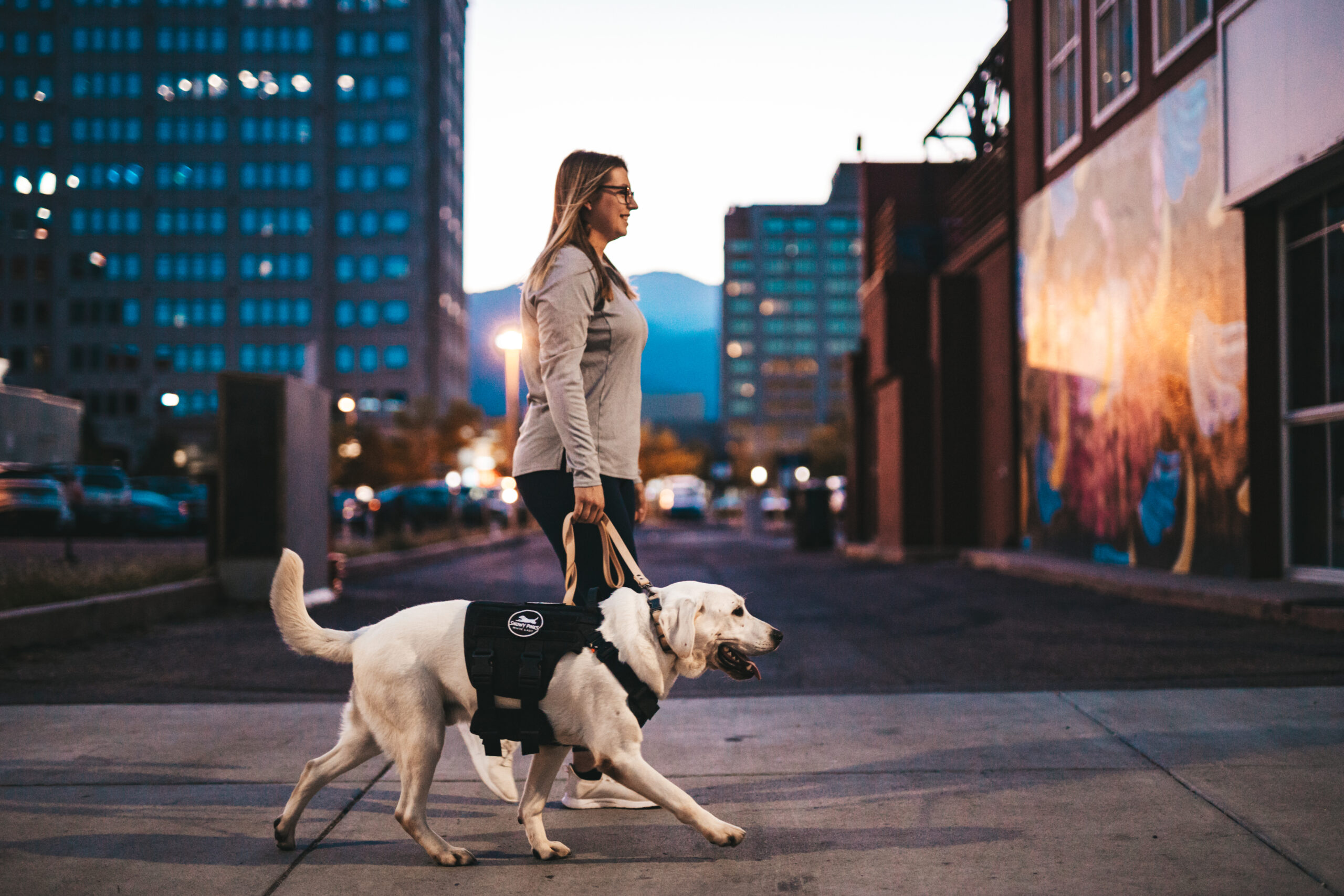
Our program is dedicated to enhancing independence and well-being for individuals with disabilities through the concept of a “better body.” Our service dogs undergo specialized training to assist with diabetic alert, mobility support, and other medical alerts. Ongoing support, comprehensive education, and a strong bond between our service dogs and their owners enable individuals to live fuller lives and embrace newfound independence.
Our Better body programs include: Diabetic, Allergen Alert, Medical Alert, Gluten Allergy, Mobility Assistance, and Chronic Pain. Much like our Better Mind programs we layer in mental health and lifestyle pathways to all our physical needs service dogs. The holistic approach of focusing on all aspects of our clients lives provides a service dog that is more reliable, more advanced, and able to do more in the everyday life of our clients. All our dogs will go through the Snowy Pines PHD program before entering service dog training. This means there are literally thousands of hours spent with each dog to acclimate to the task and lifestyle pathways that our clients need.
Start with a BETTER BODY, follow through with a BETTER MIND, pick a BETTER DOG and the result will be a BETTER YOU!!
Service dogs come in various types, each specializing in a unique area to meet the specific needs of individuals. These exceptional canines undergo extensive training to assist with a range of disabilities, medical conditions, and tasks.
In our service dog training program, we prioritize the seamless integration of training into your specific lifestyle. Whether you have a busy family dynamic, enjoy hiking adventures, or share your home with multiple pets, our training methods are carefully tailored to accommodate and enhance your unique circumstances and needs.
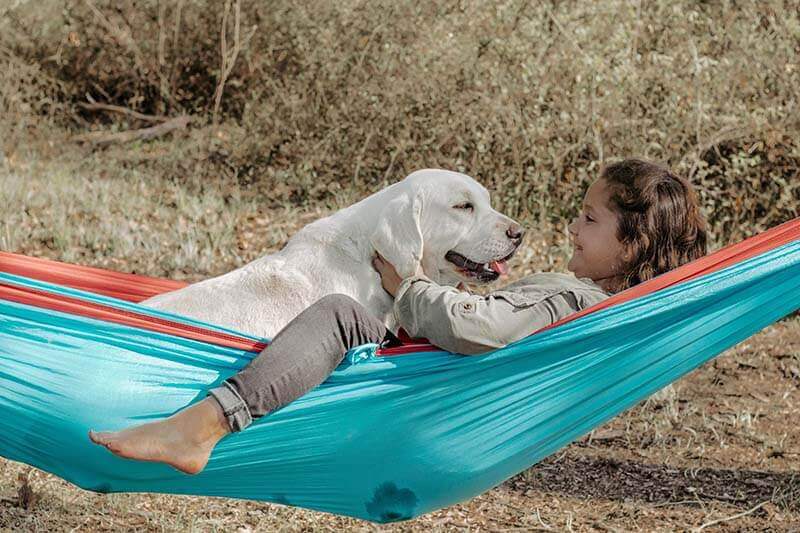
An At-Home service dog is a trained companion that offers vital support and assistance to individuals with disabilities or medical conditions within the comfort of their own homes. These remarkable dogs are adept at performing specific tasks and providing emotional support while being trained for pet friendly outings. Sometimes the need of a service dog is confined to the home which is where this program excels.
We spend hundreds of hours working on the tasks needed for a better mind or better body but focus the training in the home setting. While these dogs excel in most areas there will be limitations on some public spaces. This program allows us to provide a service dog in a much more manageable time frame for families with specific time limitations or willingness to continue the training at home.
A therapy dog is a specially trained canine that provides comfort, affection, and support to individuals in various settings, such as hospitals, nursing homes, schools, and therapy sessions. Unlike service dogs, therapy dogs are not trained to perform specific tasks for individuals with disabilities but instead offer emotional support and companionship.
Service dogs come in various types, each specializing in a unique area to meet the specific needs of individuals. These exceptional canines undergo extensive training to assist with a range of disabilities, medical conditions, and tasks.
In our service dog training program, we prioritize the seamless integration of training into your specific lifestyle. Whether you have a busy family dynamic, enjoy hiking adventures, or share your home with multiple pets, our training methods are carefully tailored to accommodate and enhance your unique circumstances and needs.
Our multi-pet home lifestyle program specializes in training service dogs that seamlessly integrate into households with multiple pets. They are adept at fostering harmony, respecting boundaries, and providing individualized assistance to their handler while coexisting peacefully with other pets, creating a one-of-a-kind service dog that brings joy and unity to your multi-pet home.
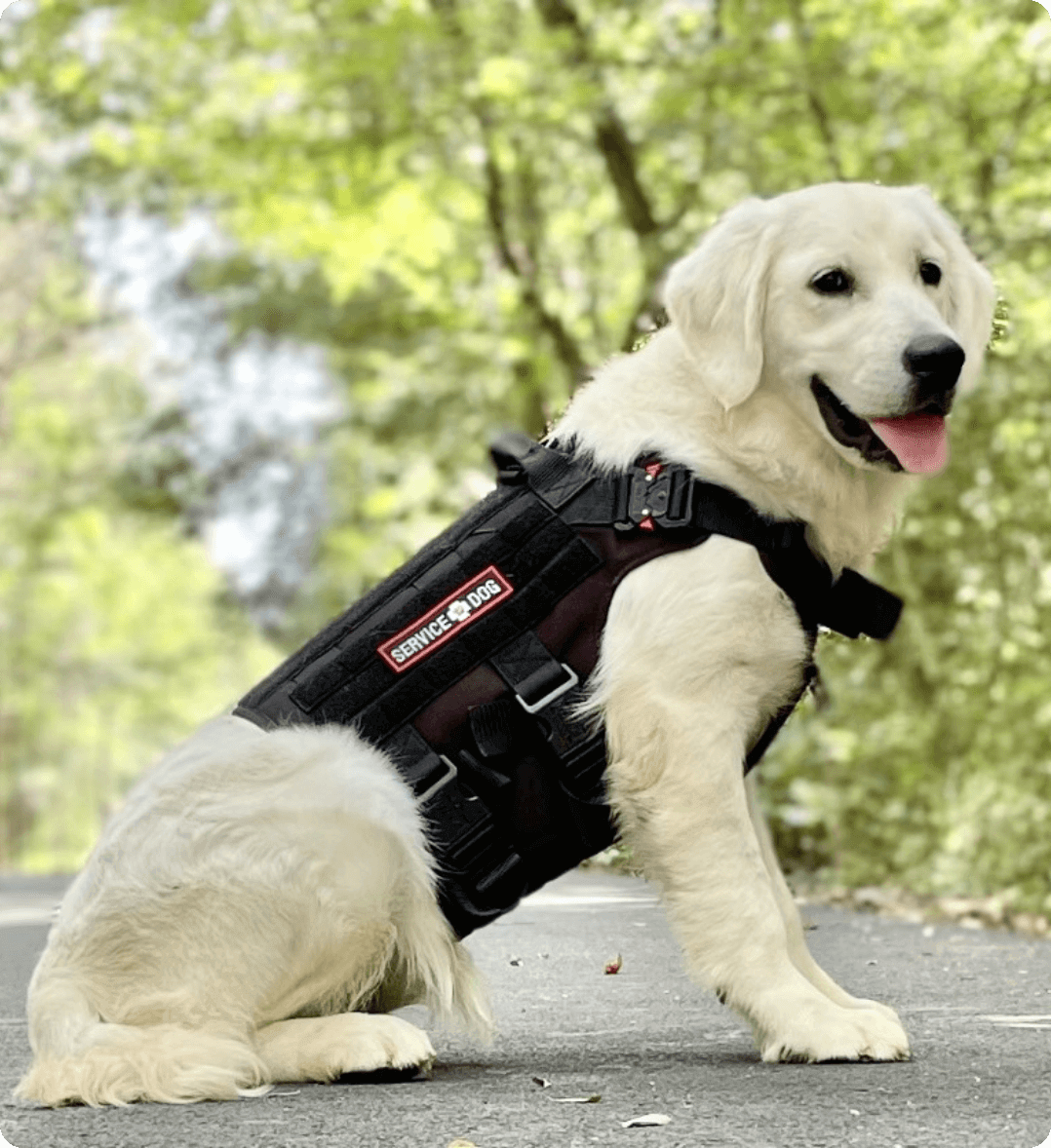
A service dog is far more than a pet. These working dogs have a weighty task: to protect their handlers from harm and assist them in their everyday life. That’s why the training is crucial for diabetic alert dogs and other service animals.
Snowy Pines is staffed by certified professional trainers with over a decade of experience. We specifically train the puppies and dogs that we breed and know well – our White Labs and English Cream Retrievers – in our spacious Ozark Facility. We know how to bring the best out of these loving and intelligent breeds.
We’ve developed a service dog training program that teaches a future service animal everything they need to know to excel in their role and provide essential support.
We specialize in training many different types of service dogs including, diabetic alert dogs. All of our service dogs go through rigorous training that is tailored to the specific tasks they need to perform, whether it’s gluten detection, psychiatric support, or something else.
Our fully-trained service dogs benefit from the following:
Socialization is a significant part of service dog training. Our expert trainers work one-on-one with every dog in the program to expose them to a variety of dynamics and changing situations. This includes unfamiliar sounds like thunder or honking horns, people of all ages, unique textures, areas and places like parks and movie theaters likely to be crowded with other folks, and so much more. Through training, service dogs learn to stay calm, alert, responsive, and even analytical in diverse situations. All our service dogs are raised on the premises by our staff. No puppy raisers are used.
Not just any puppy can become a service dog. That’s why we follow a rigorous vetting process to choose which dogs to train. First, we select puppies with two parents that possess the right temperament and evaluate the personality of puppies from past litters. Next, we conduct a general puppy temperament test.
When a puppy meets all of the criteria, we consider them for our service animal training program. But that’s not the only reason Snowy Pines offers such well-trained service dogs. It’s also our commitment to breeding the healthiest, most loving, and most intelligent dogs in the country.
Nothing soothes the human spirit like the companionship of man’s best friend. Loving, loyal, and determined to bring happiness to their owners, service dogs offer relief to those suffering from an anxiety disorder, post-traumatic stress disorder, depression, or another emotional disability that impacts one’s mental well-being.
With a service dog from Snowy Pines, you can count on your Golden or Lab’s intelligence and loyalty. But even more important, your dog will develop the skills and knowledge to help you cope with your condition through our customized service dog training program.
If you’re looking for symptom relief, the companionship of a service dog can turn your life around. Experience greater stability and a never-ending wellspring of love with a Snowy Pines service dog.
If you’re unsure if a service dog is right for you, consider the following benefits:
Ready to Reclaim Your Life?
Bring Home Your New Best Friend!
The Snowy Pines Service Dog Animal Training Program is uniquely designed to teach our White Lab and English Cream Golden Retriever puppies the skills required to be effective service dogs.
Your unique needs and emotional disability lead our training process – the Snowy Pines team will then customize the training according to your dog’s initial evaluation (advanced obedience, house and public manners, relationship building, and preparation to pass the AKC Canine Good Citizen test).
Whether you’re looking for an service dog to alleviate loneliness or a loyal pet to help you get through panic attacks, PTSD episodes, or other events, your friends at Snowy Pines can help.
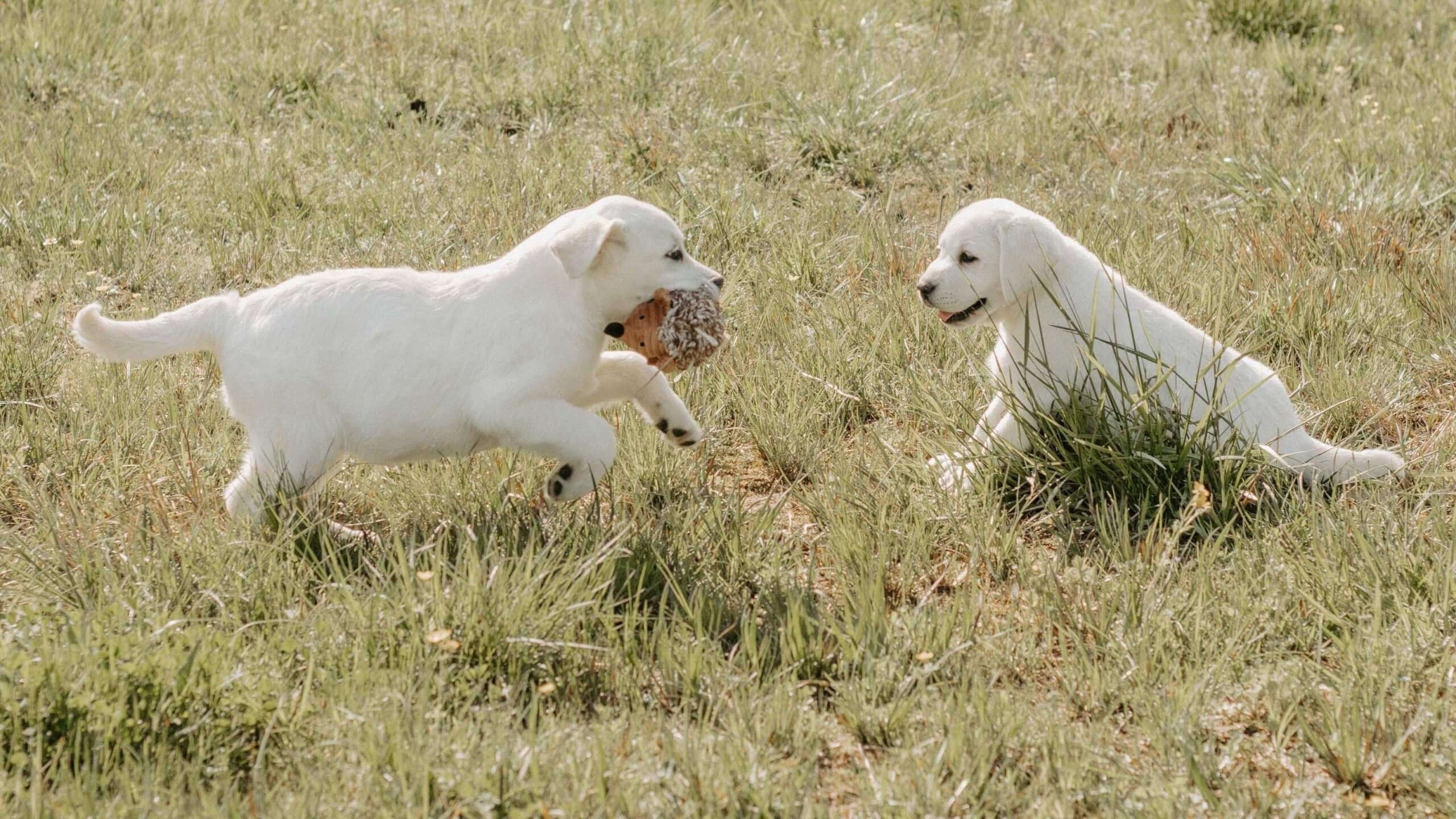
Snowy Pines service dog training includes:
During your service dog’s time at the Snowy Pines facilities, we’ll familiarize your service dog with different environments. Our goal is to ensure they feel confident in most situations in the community, such as other households and public places that allow service dogs.
With a service dog from Snowy Pines, you can welcome an intelligent, loving, and supportive dog breed into your home.
Knowing your service dog graduated from a training program developed by a team of top-rated service dog training specialists will make the integration of your service dog into your daily routine all the more seamless.
Reserve Your Service Dog Now!
Our purebred Labs and Goldens make excellent service dogs thanks to their easy-going disposition and high intelligence.
Labrador and Golden Retrievers rank among the top ten most intelligent dog breeds. They learn quickly and can easily solve simple problems.
They’re also some of the most family-friendly dogs. According to the AKC, Labs are the top family dog, with Goldens close behind in 3rd place. Both breeds can adapt to any environment, including urban and rural living. Because Labrador and Golden Retrievers love spending time with their owners, you won’t find a better dog breed to meet your companionship needs.
At Snowy Pines, we only breed genetically pure English White Labs and English Cream Goldens to ensure our dogs carry the best traits that these breeds have to offer.
These favorable traits include a calm temperament, a willingness to decompress at the end of a long day, and a desire to enjoy their owner’s company without additional stimulation. Unlike their American Retriever counterparts, English White Labs don’t need to burn off excess energy before they can unwind.
Snowy Pines prides itself on ten years of dog training experience. We know how to bring the best out of our White Lab and Golden Retriever puppies.
Every member of the Snowy Pines team genuinely loves our dogs and gives them generous amounts of attention from day one. That’s why our service dogs are brimming with love when they meet their owners and are ready to start their new life in their forever homes.

Learn more about service dogs and their impact on their owner’s life.
Research shows that companion animals offer a variety of mental health and medical alert benefits, including alleviating worry, reducing feelings of isolation and loneliness, and inducing calm.
Service dogs can relieve symptoms and improve the quality of life for individuals with many health conditions or emotional challenges, including PTSD, depression, general anxiety disorder, loneliness, attention-deficit disorder, chronic stress, and even learning disabilities.
An emotional support dog is a good option if you’re looking for a source of comfort, companionship, and relief from feelings of loneliness, sadness, or other challenging emotions. However, if you require assistance with specialized tasks — be it guidance for the visually impaired or alerts of blood sugar fluctuations — a service puppy will be up for the task.
Service dogs can help with all types of disabilities, including psychiatric ones.
For example, people with PTSD or dissociative identity disorders might become disoriented or have difficulty perceiving the environment around them. In these cases, they can come into harm’s way without realizing it. A service dog can alert its handler to dangers or interrupt a risky behavior, such as self-mutilation.
If you’re unsure which type of dog is right for you, discuss your needs with a mental health professional. Your doctor can speak to the kinds of tasks and whether said tasks require the assistance of service dog. After a consultation with your primary care provider, you’ll be well on your way to the relief you deserve.
While companion animals can be helpful for almost anyone – after all, we all feel stressed, worried, or lonely from time to time – you need a diagnosis and an official letter from a mental health professional to own a service dog.
Here’s what you need to do to qualify for a service dog:
Be sure to keep the letter from your doctor for your own files. While not required to provide to landlords or businesses that only allow working dogs and service dogs on their premises, you may need to educate others on the laws around service dogs.
You don’t need to be diagnosed with severe mental impairment to be eligible for a service dog. A service dog can be a viable solution if you struggle with feelings of loneliness, grief, sadness, or isolation. This type of dog though is typically an Emotion Support dog and may not need the extent of training as a service dog. We are happy to discuss the differences in service dogs vs emotional support dogs. We train and work with families on both types of dogs!
A therapy dog works with its handler in a clinical setting to provide therapeutic benefits to patients. So, where service dogs live with and serve their handler, therapy dogs might help dozens of patients and spend time in hospitals, doctor’s offices, nursing homes, or mental health institutions.
For example, a psychiatric counselor might own a therapy dog and bring it with them during patient consultations. A doctor might bring their trained therapy dog to a nursing home to bring comfort to their Alzheimer’s patients.
Unlike service animals, which the ADA classifies as working dogs rather than pets, emotional support dogs aren’t able to enter public and commercial spaces. Service dogs can go where animals aren’t traditionally allowed, such as grocery stores, restaurants, schools, buses, libraries, and shops. We help familarize all our families to the appropriate laws.
However, there are many business owners and facility managers who do not allow emotional support dogs. As mental health awareness and public support grow, animals that provide therapeutic relief will slowly gain entry into these once-prohibited spaces.
On December 2, 2020, the U.S. Department of Transportation revised the Air Carrier Access Act (ACAA). As part of the revision, airlines are no longer legally required to group emotional support dogs with service animals.
You can still take a service dog in the carrier of a plane, including a psychiatric service animal. But you’ll need to prove that your dog is a true working dog and verify that it is truly a service dog. We provide documentation of the training as well as can help you with airline requirements.
Airlines can choose, at their discretion, to accept emotional support dogs, so it’s still possible to fly with your pet; however, most major airlines, including JetBlue, American Airlines, United Airlines, and Southwest Airlines, have stopped accepting ESAs in the aircraft cabin.
Contact us today to learn more about our service dogs for sale!
With a winning combination of good temperament, intelligence, and social skills, both Golden Retrievers and Labs make ideal service dogs. At Snowy Pines, we train both breeds to be service dogs and believe they are equally fantastic options for anyone looking for therapy, emotional support, or service dogs.

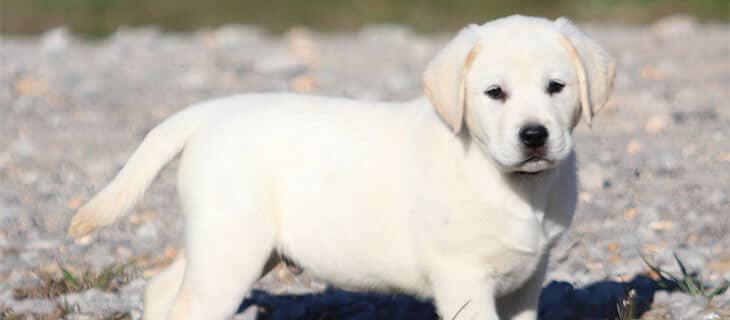
Browse our available White Lab and English Cream Golden Retriever puppies today and choose your new calming companion!